



Little Hands, Big Heart: Faith. Birth. Empowerment.
This space was created with you in mind — a place where faith and evidence-based birth wisdom come together to nurture your heart and prepare you for one of life’s most sacred callings: bringing new life into the world.
The Bishop Score
Have you heard of the Bishop Score? Dating back to 1964 this was introduced to predict the success of a labor induction. Telling us that the higher the score the more likely to have a successful vaginal induction, a lower score the less likely it is. Now keeping in mind this is not a golden egg to tell us when/if/how moms labor will go!
Inductions
Induction of labor is a medical procedure used to stimulate uterine contractions before labor begins naturally. This can be necessary for various reasons, including maternal health concerns or fetal health issues.

The Golden Hour
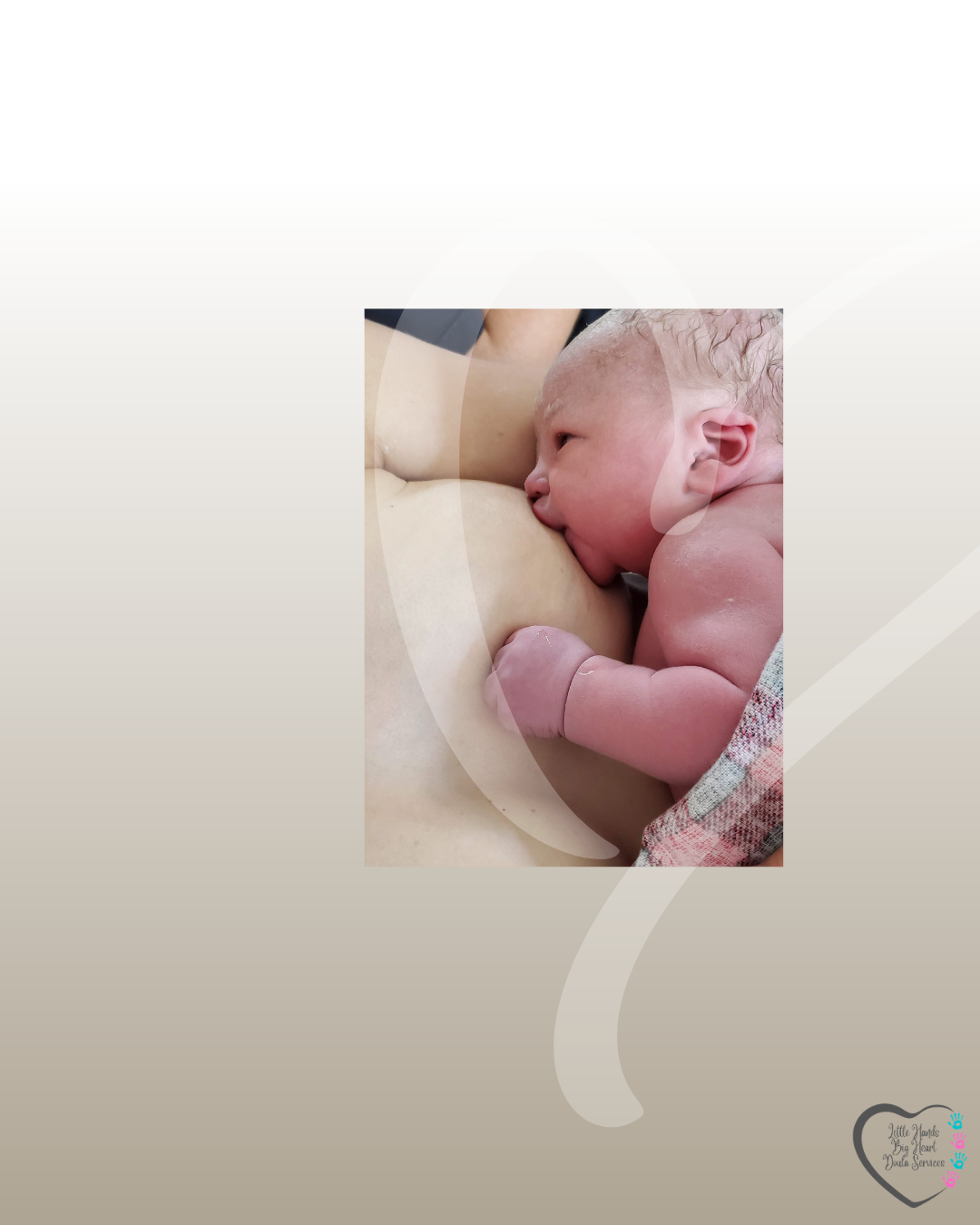
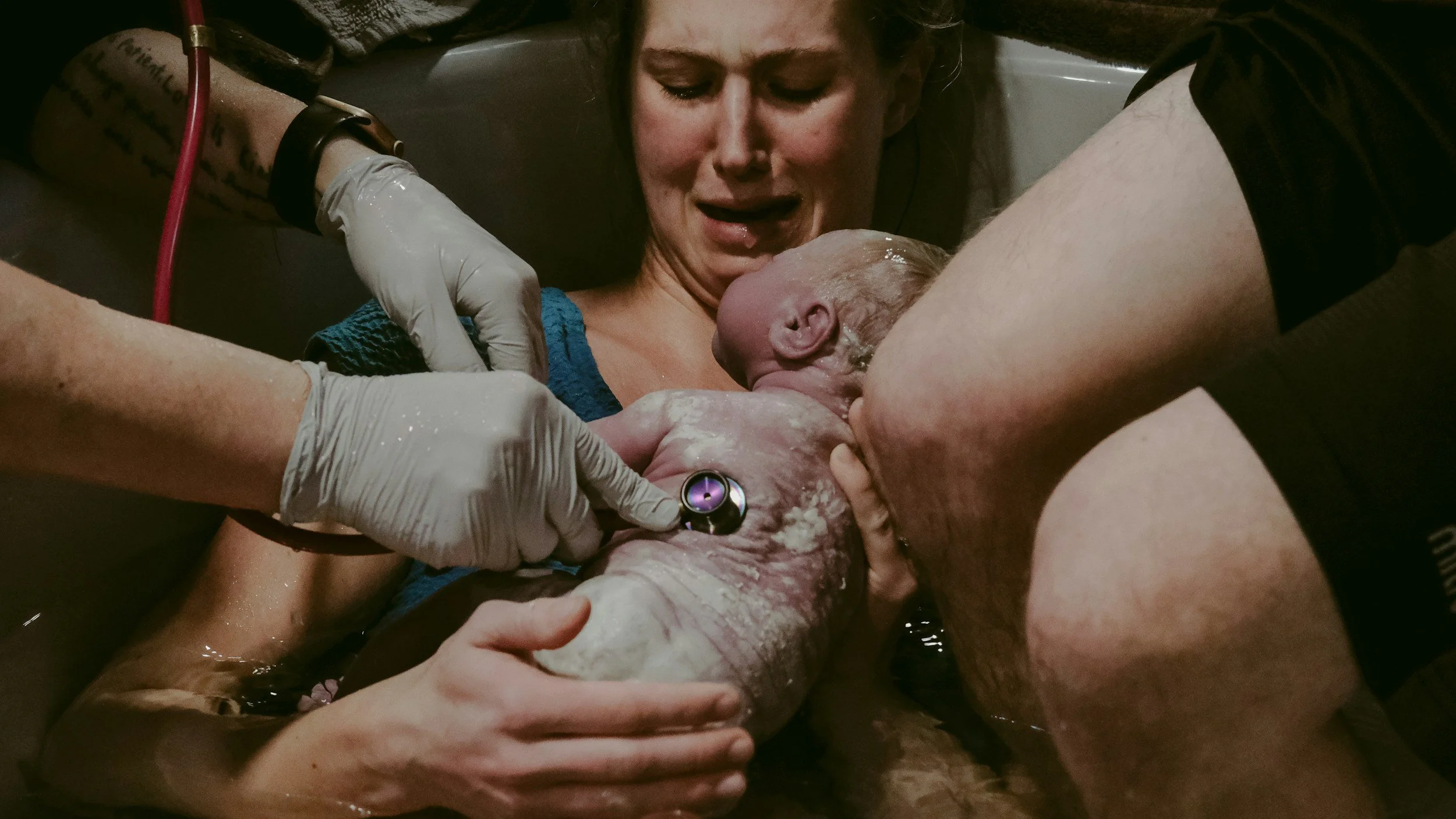
Many people don't realize the profound miracle of birth or the critical importance of the golden hour. As both a doula and a mother, I’ ve been deeply honored to witness this incredible transition firsthand. It’ s a powerful reminder of God’ s greatness—how we go from a single sperm and egg, to receiving life sustaining oxygen through the placenta, to taking our very first breath in just moments. In those first moments, a newborn engages all five senses to adjust to the world— and each of them instinctively draws toward mom. The Golden Hour refers to the first sixty minutes after baby is born. This is a time for uninterrupted skin to skin contact between mother and baby. Allowing for early bonding with proven physical and emotional benefits for both.

The Breast Crawl
The initiation of breastfeeding often begins within the first moments after birth. When a newborn is placed skin-to-skin on the mother ’ s chest, they exhibit an instinctive behavior known as the 'breast crawl. ' During this process, the baby uses natural reflexes to move toward the breast, locate the nipple, and begin nursing. This early skin-to-skin contact and self-directed feeding behavior play a crucial role in establishing breastfeeding and supporting maternal-infant bonding. The breast crawl is survival instinct that allows babies to “find the food” and crawl up to the mother ’ s breast. If the mother was unable to nurse her baby for any reason immediately following birth, a baby can still find the breast by rooting, crawling and scent. Newborns are not meant to be immobilized and swaddled all the time. Let your baby crawl, learn your scent, practice skin to skin, and use those post-birth hormones to your advantage! The Golden Hour immediately after birth is a sacred time when birth hormones peak: Oxytocin for bonding and adrenaline for energy. This is the physiology of birth in action.

Are we Cursed to Feel Pain in Childbirth?
Childbirth has long been seen through a theological lens, especially in Christian tradition. One of the most frequently cited Scriptures regarding childbirth is Genesis 3:16, in which God says to Eve after the Fall: "I will make your pains in childbearing very severe; with painful labor you will give birth to children.” This verse has been interpreted by many as the “Curse of Eve”—the idea that women are destined to suffer during childbirth as a consequence of sin. But is this interpretation accurate? And does Christian faith leave room for a different understanding of childbirth—one not rooted in fear and pain, but in hope and redemption? In this post, we’ll explore the theology behind the pain of childbirth, the concept of curse and consequence, and how Christian women today can view childbirth through a redemptive, faith-filled lens.
Doulas and Cesarean Births
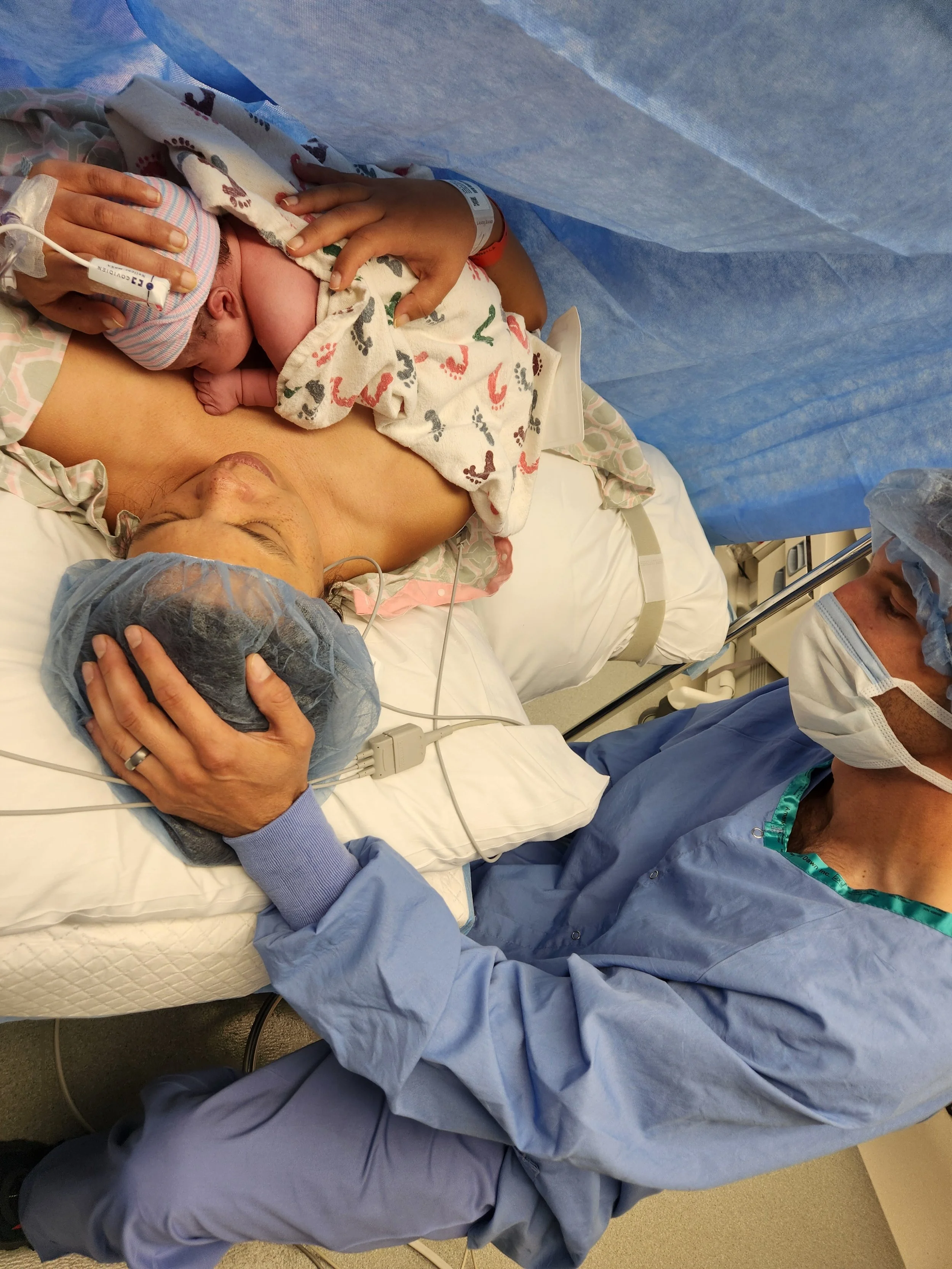
Doulas are not just for one kind of birth. They are for every birth. In C-sections—where so many decisions are made quickly and emotions can run high—a doula’s presence brings continuity, calm, and care. She doesn’t replace the medical team or the partner, but rather strengthens the entire support system, ensuring the birthing woman feels seen, heard, and supported. Whether your birth plan includes surgery or you’re preparing “just in case,” consider inviting a doula into your team. Their presence may be the steady anchor in what can feel like a storm—guiding you not just through the procedure, but into the sacred, unforgettable moment of meeting your baby
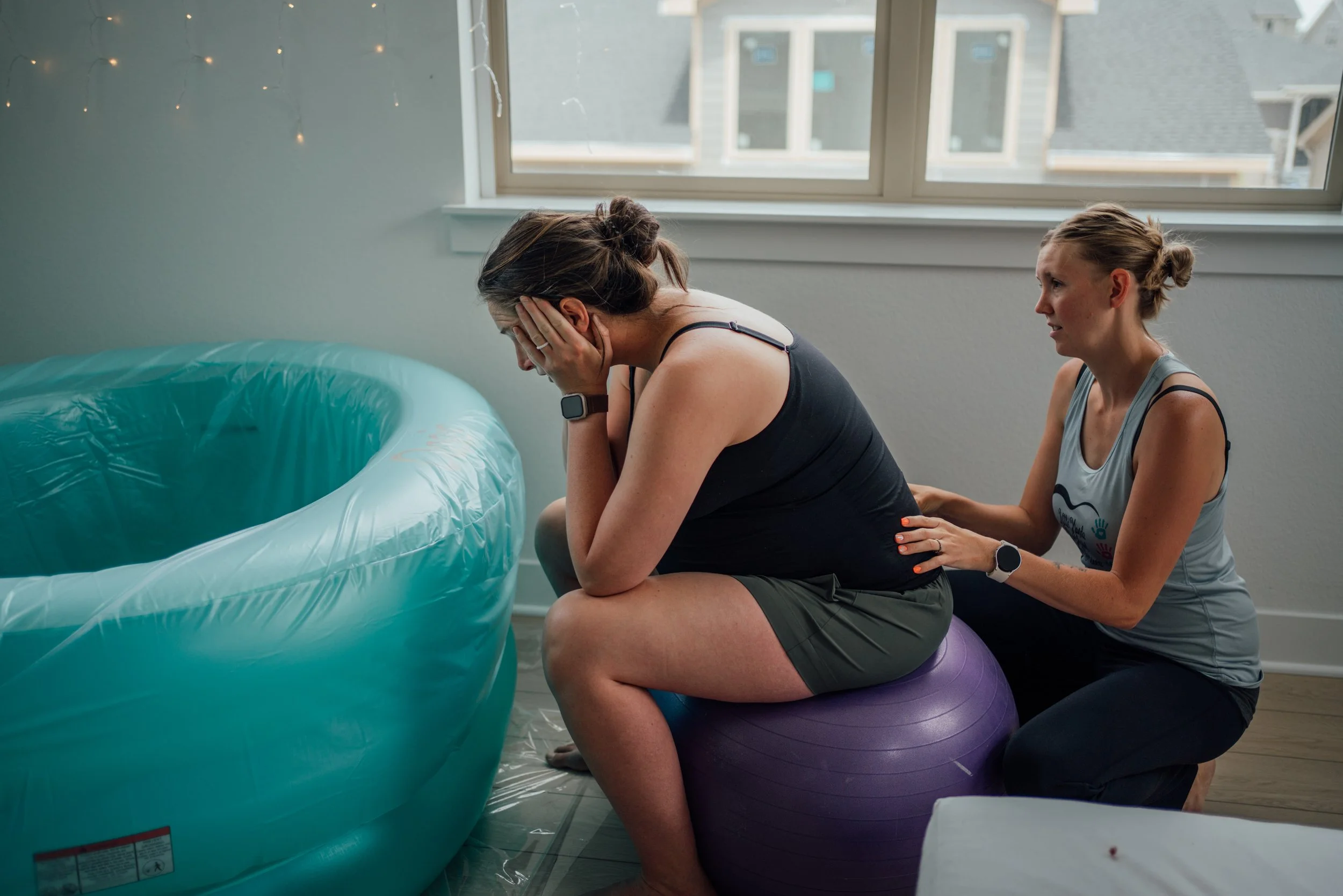
Why Having a Doula on your Team is Beneficial
A doula is a trained professional who provides emotional, physical, and informational support to a family during pregnancy, birth, and the immediate postpartum period. My role is to guide, encourage, and support you both—never to replace the love and bond you already share.
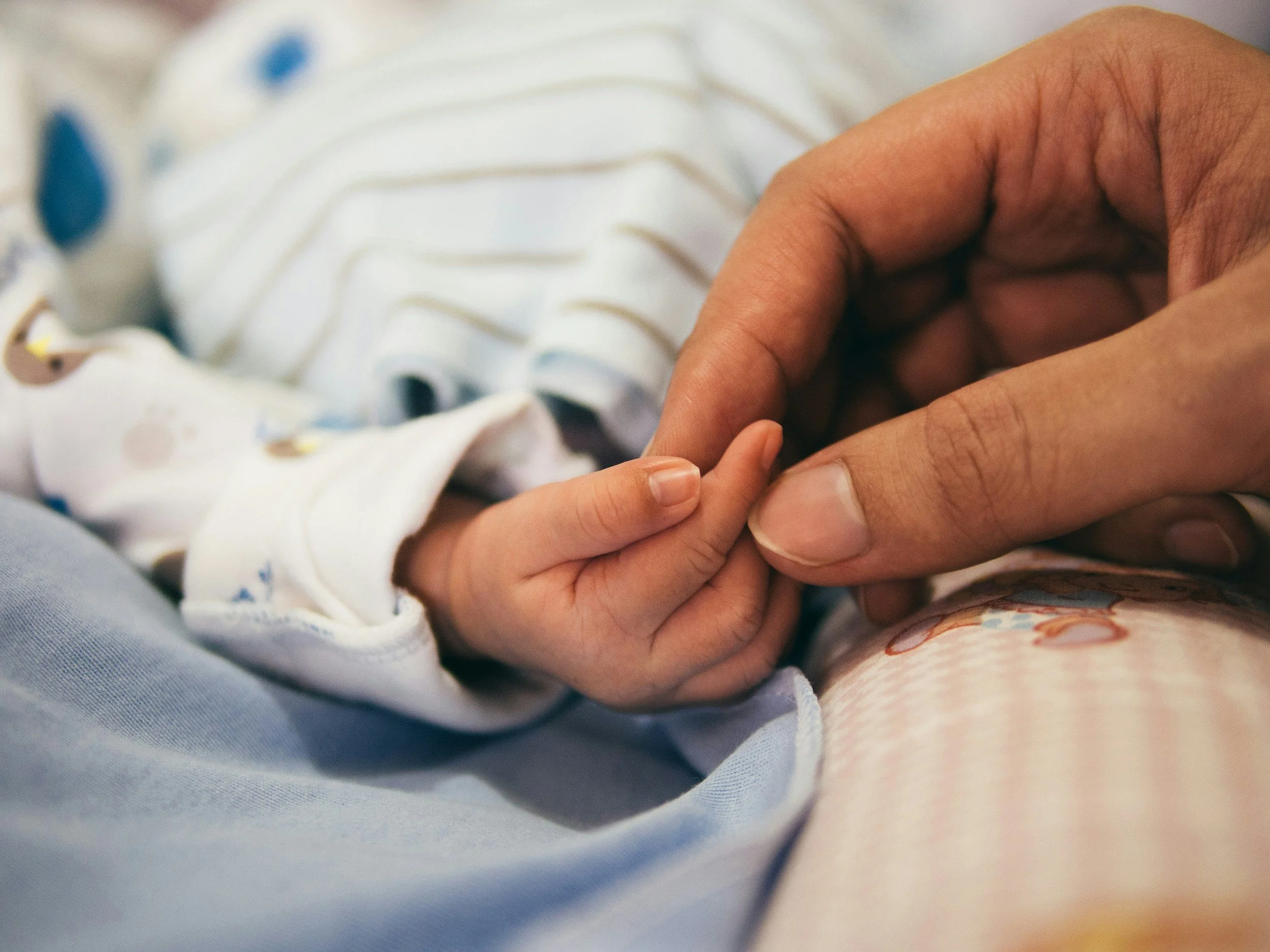
The Emotional Journey of Early Labor
When most people think about labor, they picture the intensity of contractions, the rush to the hospital or birth center, and the moment of finally holding a newborn in their arms. But one of the most tender and often overlooked stages is early labor—the beginning of the body’s work to bring new life earthside. Early labor isn’t just physical; it’s deeply emotional, and understanding those emotions can bring peace and confidence as this sacred journey unfolds.

Oxytocin: The Love Hormone that Guides Birth
When we think of oxytocin, most of us picture love, snuggles, or that cozy feeling after a good hug. It’s often called the “love hormone”—but in truth, oxytocin is so much more than that. It’s one of the most powerful messengers in the body, connecting love, lust, and labor into one beautiful design. As doulas, parents, and birth workers, understanding oxytocin helps us see why the environment around birth matters so deeply—and how trust, safety, and connection aren’t just “nice to have,” they’re physiological necessities. Oxytocin is a hormone produced in the brain (specifically, the hypothalamus) and released into the bloodstream by the pituitary gland. It travels throughout the body and influences everything from emotions to muscle contractions.
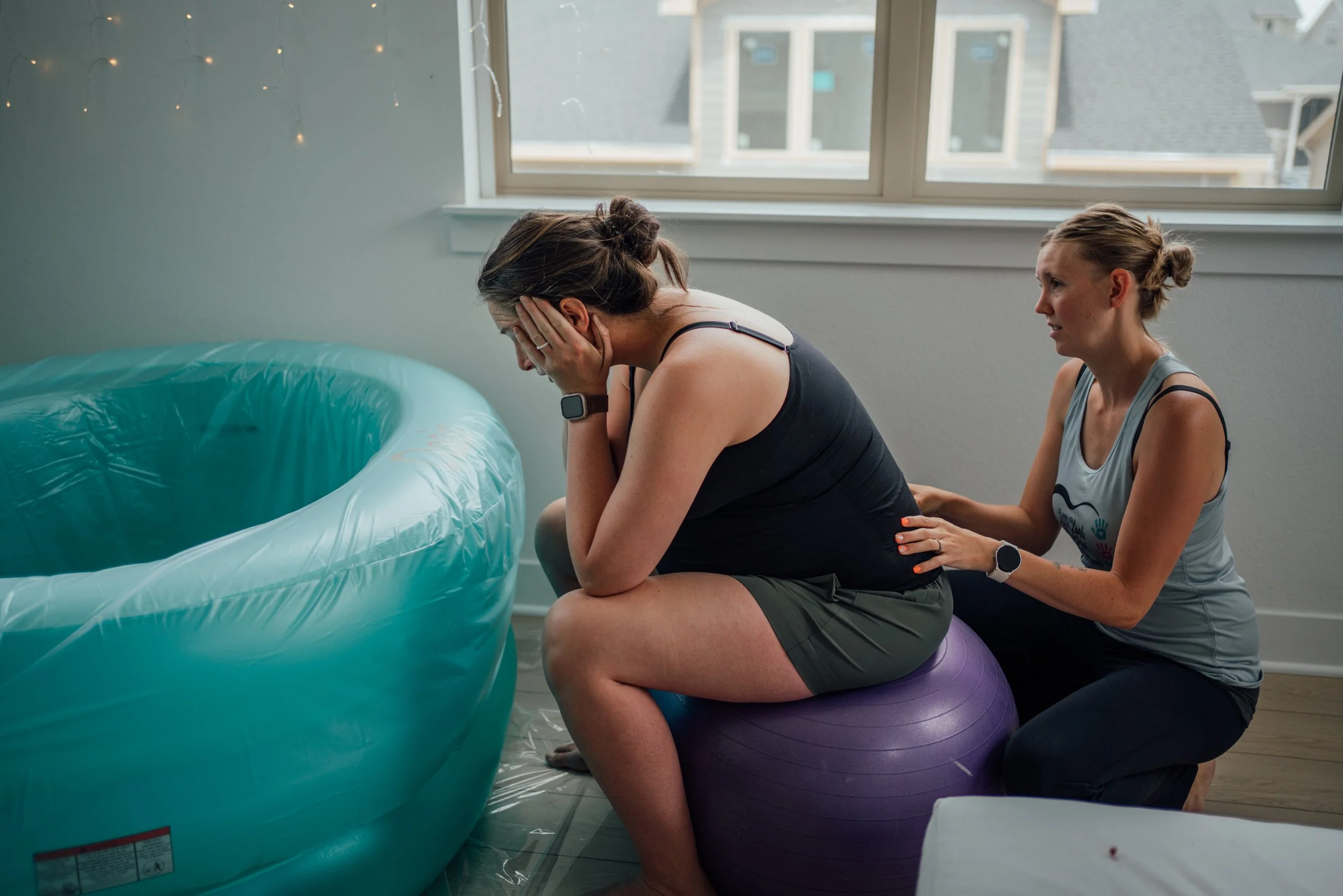
The Relationship Between Fear & Birth
Birth is one of life’s most powerful and transformative experiences. It’s natural for parents to feel a mix of emotions — excitement, anticipation, and yes, sometimes fear. But fear isn’t just an emotion during labor; it’s also a physiological response that can influence how the body functions during birth. Understanding the relationship between fear, hormones, and birth can help families prepare for a calmer, more empowered experience.